
2026-2027 Mentoring Corps Leaders
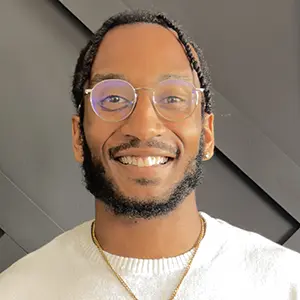
Rylan Bagsby
Master of Social Work (MSW)
Fort Valley State University
Fun Facts:
1:I am a runner.
2: I am a Plant Dad with two plants named Osani and Sage.
3: I like dressing up and going to different bookstores and coffee shops just for the experience.
Why did you choose to pursue a career/academic study in behavioral health?
I choose to pursue a career in Behavioral Health because I want to make an everlasting impact on both children and adults by helping them navigate their lives. I believe each person has a story that deserves to be heard, and everyone can adapt and change to create the future they want, regardless of their situation. Since I was a child, I have been interested in how the mind works and in understanding patterns in people’s behavior, especially how those patterns can contribute to cycles that may be difficult to break. Behavioral Health is an ongoing learning field, especially in social work, that keeps me engaged in learning more about people, their experiences, and even myself. I believe this career will allow me to continue growing personally and professionally while helping others become the best versions of themselves.
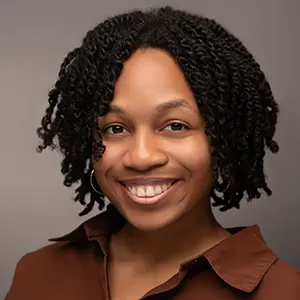
Olivia Bailey
Clinical Psychology (PhD)
Howard University
Fun Facts:
1: I enjoy spending my leisure time surrounded by nature, doing activities such as jogging or hiking.
2: I love organizing and planning trips.
3: I like to relax by throwing on comfortable pajamas and watching a good show such as Girlfriends or Insecure.
Why did you choose to pursue a career/academic study in behavioral health?
I chose to pursue academic study in clinical psychology to impact lives through clinical services and research. A familial history of neurological diseases and disorders inspired me to pursue a concentration in neuropsychology. I hope to advocate for marginalized individuals by conducting research on underserved populations and spreading awareness of social determinants of health and their influence on mental and physical health outcomes. I hope to explore potential protective factors that can mitigate susceptibility to negative mental and physical health outcomes such as depression and/or chronic disease(s).
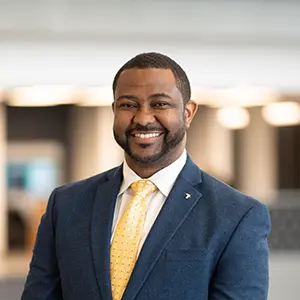
Darius Branch
Darius Branch
Master of Social Work (MSW)
Fun Facts:
1:I’m a caterer.
2: I am a musician.
3: I have traveled internationally every semester I’ve been in school.
Why did you choose to pursue a career/academic study in behavioral health?
A career path in behavioral health made perfect sense to me when I took a step back and looked at what I had accomplished in every position I held professionally and in various volunteer settings. My MSW program has been my happy place, and the way I thrive not only encourages me to think as a social worker in scholastic spaces, but in creating spaces for social work scholars to take up space confidently and comfortably. Initially, I wanted to assist Black and brown communities by dispelling myths about fatherhood in our communities, but now I also want to ensure the advocacy and support is present in emergency medical situations like the one I recently experienced, and share “When someone operates in the space designed for them, they give others the authority, example, courage, energy, and inspiration to do the same.” (Branch, 2026) As a Black man, I have not always found it easy to navigate this country’s ideologies or to have the emotional intelligence to feel like a target or that I’m being attacked, and still thrive, but since being in this program, I have experienced in real time how social work empowers me to advocate for myself and my community.
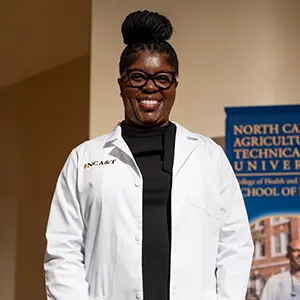
Saprina Campbell
Psychiatric Nursing (DNP)
North Carolina A&T State University
Fun Facts:
1: As a summer baby, I enjoy concerts in the park, all things Neo-Soul, and festivals celebrating African heritage.
2: I’m a foodie who delights in the rice dishes of the Caribbean and African diaspora.
3: I’m eager for new experiences, whether it’s trying a new restaurant, discovering a hidden spot in the city, or spending quality time with friends and family. My next adventure is a 10-day cross-country train trip, I’m excited for the views, the food, and the journey.
Why did you choose to pursue a career/academic study in behavioral health?
I believe representation matters, and is important in health care, because it provides people with context for their lived experiences, helps them feel seen, and validates their experiences. The profound work of Dr. Nadine Burke Harris with the ACEs framework highlights how traumatic experiences become “normalized,” leaving many individuals without the framework, language, support, or constructive outlets to channel emotions. Unaddressed trauma is impactful across the life span and surfaces in words, self-indulgent destructive patterns, inaction, and silence thereby creating multigenerational behavioral patterns. My goal is to be a catalyst for healing through a holistic approach that honors the mind, body, and spirit. I strive to create space where people feel supported, understood, and validated in naming their experiences as a step toward breaking harmful cycles and creating healing.
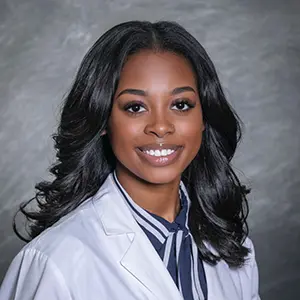
Chelsea Carter
Medical Program (MD)
Meharry Medical College
Fun Facts:
1: I love to crochet and especially enjoy making handbags.
2: Graphic design is one of my favorite creative outlets, and I love creating everything from event materials to social media graphics.
3: I love bringing people together and will happily find an excuse to plan an event, host a gathering, or turn an ordinary occasion into a celebration.
Why did you choose to pursue a career/academic study in behavioral health?
I chose to pursue psychiatry because I am drawn to the privilege of understanding not only a patient’s symptoms, but also the experiences, relationships, and environments that shape their mental health. Behavioral health allows me to combine medicine with meaningful human connection while caring for patients through some of the most vulnerable moments of their lives. I am especially passionate about expanding access to culturally responsive mental health care in underserved communities and addressing the disparities that continue to shape who receives care and how that care is experienced. I also value the breadth of psychiatry, from psychotherapy and community based care to emerging treatments that offer new possibilities for patients who have not benefited from traditional approaches. Ultimately, I hope to build a career that allows patients to feel heard, understood, and empowered in their care.
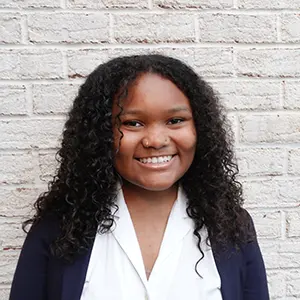
Amaria Clark
Clinical Psychology (PhD)
Howard University
Fun Facts:
1: I love to travel.
2: I love to hike.
3: I love to try new foods!
Why did you choose to pursue a career/academic study in behavioral health?
My interest in pursuing a career in behavioral health stems from a persistent desire to help others. Along with my interest in helping others, I was also curious about the brain and human behavior. This desire, coupled with my curiosity about how the mind works, led me to study clinical psychology. Further learning about the accessibility gap in mental health care access, my goal as a clinician is to provide accessible mental health services to minoritized youth.
Fun Fact 3: I love to try new foods!
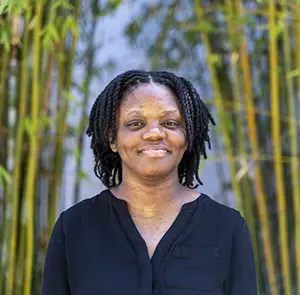
Ekaete Ekpo
Medical Program (MD)
Howard University
Fun Facts:
1: I’m a visual artist! My favorite art form is drawing.
2: I’ve watched over 50 documentaries. Some of my favorites are about cultural movements of the ’70s.
3: I’m Nigerian and Black American. My favorite part about both cultures is our sense of humor.
Why did you choose to pursue a career/academic study in behavioral health?
I have been curious about studying the brain since childhood. As an aspiring physician, I am motivated by my desire to learn, grow, and serve others. I am passionate about mental health and patient-centered care. These passions fuel my interest in medicine, neuropsychiatry, and health disparities research. In the future, I envision myself supporting underserved patients and incorporating mental health into my practice, research, and advocacy.
What are three fun facts about you?
Fun Fact 1: I’m a visual artist! My favorite art form is drawing.
Fun Fact 2: I’ve watched over 50 documentaries. Some of my favorites are about cultural movements of the ’70s.
Fun Fact 3: I’m Nigerian and Black American. My favorite part about both cultures is our sense of humor.

Charity Fisher
Master of Social Work (MSW)
Howard University
Fun Facts:
1: I love learning to cook new things.
2: I enjoy skateboarding.
3: I love going to concerts!
Why did you choose to pursue a career/academic study in behavioral health?
I chose to pursue a career in behavioral health because I want to be a mirror for Black and Brown youth to see what is possible when they turn their pain into purpose. Growing up, I experienced things that most behavioral health professionals would invalidate, and it wasn’t until the provider looked just like me that the healing process began. In life, we’re not always responsible for the things that happen to us, but we are responsible for how we alchemize our pain into something that can empower others. If I can reach just one person, encouraging them and creating spaces where they unveil their own strengths and abilities, then I’ve done what I’ve been created to do in this life.
Fun Fact 1: I love learning to cook new things.
Fun Fact 2: I enjoy skateboarding.
Fun Fact 3: I love going to concerts!
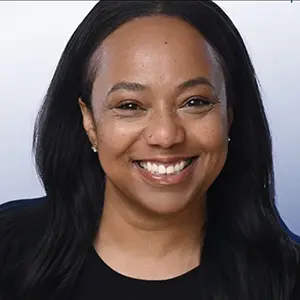
Samantha Harris
Rehabilitation Counseling (MS)
Langston University
Fun Facts:
1: I am a huge sports fan and will always root for the home team (Cincinnati Bengals).
2: I love to travel and shop, I’m just a girl!
3: I’m a foodie and love to try new foods.
Why did you choose to pursue a career/academic study in behavioral health?
I chose to pursue a career and academic study in behavioral health because I have always been interested in understanding the factors that shape people’s behaviors, choices, and ability to move forward in their lives. My background in criminal justice has shown me the consequences of unmet needs, while my education in rehabilitation counseling has helped me understand the importance of addressing the person behind the behavior and connecting them with meaningful support and opportunities. These experiences have strengthened my desire to bridge criminal justice, behavioral health, and community-based services that focus not only on intervention but also on prevention, empowerment, and long-term change. Ultimately, I want my career and continued academic work to help create systems that recognize people’s potential and provide them with the tools and support necessary to reach it.
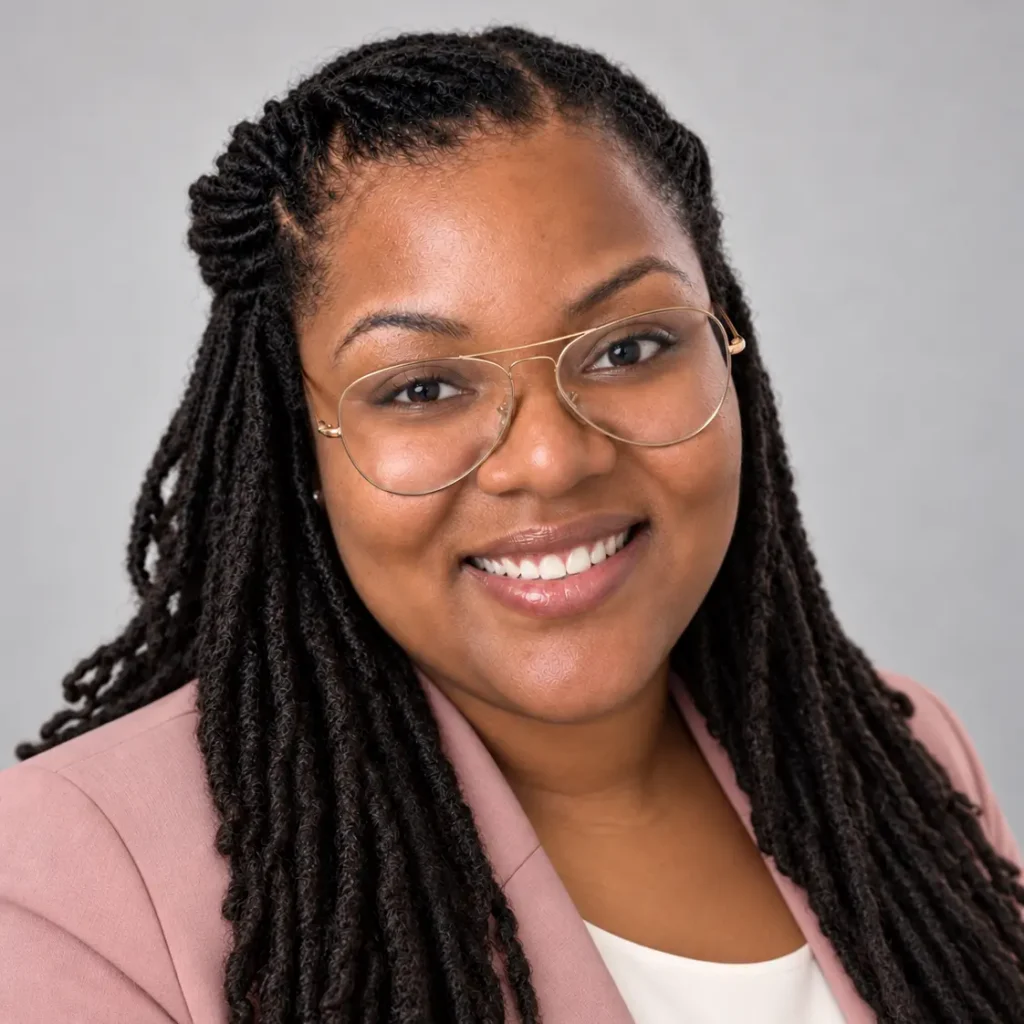
CharMayne Jackson
Counseling Psychology (PhD)
Tennessee State University
Fun Facts:
1: I’m a proud dog mom to two pups, Prince and Apollonia.
2: In my free time, I love baking and gardening, both are creative ways for me to slow down and unwind.
3: I’ve always been interested in photography and would love to spend more time developing it as a hobby.
Why did you choose to pursue a career/academic study in behavioral health?
I chose to pursue a career in behavioral health because I have always been passionate about understanding people’s experiences and the ways their relationships, identities, and environments shape how they navigate life. As I have grown academically and personally, I have become especially passionate about working with marginalized communities and creating spaces where people feel seen, understood, and supported. I have a particular interest in working with Black women because of the unique ways race, gender, and other aspects of identity can intersect to influence mental health and well-being. I want my work to not only support individuals in navigating their own experiences, but also challenge the systems and narratives that contribute to their distress. Ultimately, behavioral health gives me the opportunity to combine my passion for people, advocacy, and meaningful clinical work in a way that feels purposeful to me.
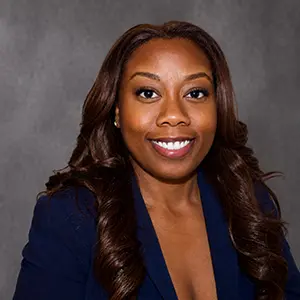
Jau’ niece Lane
Clinical Mental Health Counseling (MA)
Clark Atlanta University
Fun Facts:
1: I love to sight read and sing classical music.
2: I love being from Detroit and eating at Coney Island restaurants.
3: My middle name tells you what holiday my birthday is on.
Why did you choose to pursue a career/academic study in behavioral health?
I decided to pursue a career in behavioral health because of my love for understanding the misunderstood. I enjoy seeing others thrive as the best versions of themselves and overcome obstacles, and understanding someone’s “why” can continue to teach us how to function with one another in society. I have a passion for mentoring/coaching young African American girls to help them identify and learn unhealthy vs healthy behaviors emotionally and socially. I hope to help continue to close the gap between behavioral health and religion, as I aim to specialize in Christian Counseling. My belief is that strengthening my local community can start with guiding others to overcome fear, regulate a sound mind, and gain self-power through love.
1: I love to sight read and sing classical music.
2: I love being from Detroit and eating at Coney Island restaurants.
3: My middle name tells you what holiday my birthday is on.
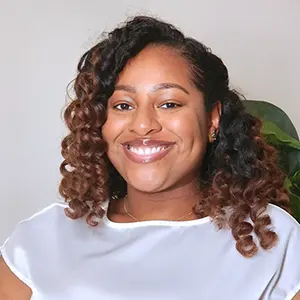
Joanne Lebrun
Clinical Psychology (PhD)
Jackson State University
Fun Facts:
1: I attended performing arts schools and love musical theater.
2: I love hosting themed parties.
3: I’m an avid reader and have read 23 books so far this year.
Why did you choose to pursue a career/academic study in behavioral health?
I chose to pursue a career in behavioral health because I have always been interested in how an individual’s experiences, environments, and identities shape their overall worldview. I became particularly passionate about supporting African-American/Black communities and challenging systems that can create barriers to mental health services. Pursuing clinical psychology has allowed me to combine my interest in research, clinical practice, and advocacy to promote holistic healing and well-being. My goal is to use my background and training to provide culturally grounded care while contributing to research and practices that improve behavioral health outcomes in underserved communities.
Pauliyah Livas
Master of Social Work (MSW)
Grambling State University
Fun Facts:
1: I enjoy roller skating on the weekends.
2: I run a mile every day as part of my fitness routine.
3: My favorite style of music is chopped and screwed.
Why did you choose to pursue a career/academic study in behavioral health?
I chose to pursue a career in behavioral health because I want to help people navigate challenges that affect their mental health and overall well-being. My personal experiences and the experiences of my family have helped me understand how difficult it can be to access support and resources. I was inspired by a social worker who helped me and showed me the positive impact that social work can have on individuals and families. Through my education and internship experiences, I have developed a stronger passion for working with individuals facing mental health and substance use challenges. My goal is to become a licensed clinical social worker and provide compassionate, effective support to people in my community.
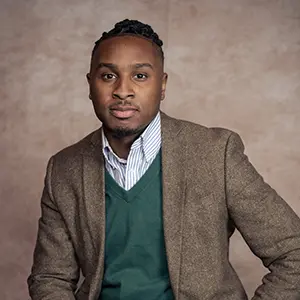
Kevin Magby
Master of Social Work (MSW)
Howard University
Fun Facts:
1: I am a member of Alpha Phi Alpha Fraternity, Inc., a Georgia State University Panther, and now a Howard University Bison.
2: I love fitness and believe that it is a mental health intervention, not just a physical outlet.
3: I am a passionate world traveler and foodie who has explored Egypt, Tanzania, Colombia, Guatemala, Puerto Rico, and one of my domestic favorites, New Orleans.
Why did you choose to pursue a career/academic study in behavioral health?
I chose behavioral health because as I showed up to serve in places from shelters, to community spaces I would see some of the same people fall through the gaps while still being overlooked by the system or others. I found myself sitting across from men who looked like my father, my uncles, my younger self, this work was never just a career path. My grandmother, we called her Bigmomma, was one of the first people I watched pour herself into others without ever asking for anything back. Watching what it costs a family to carry someone through their hardest chapter without enough support made something click for me in a way that a decade of nonprofit work hadn’t fully unlocked. I believe Black men and boys deserve practitioners who don’t need them to translate their experience they needed someone who understand that what looks like anger is often grief, and that healing is not a destination, it’s a journey. A single conversation with someone who genuinely sees you can shift the trajectory of an entire family or persons life. That’s the work I plan to do, not just in a therapy session, but in classrooms, policy rooms, and in marginalized communities.
1: I am a member of Alpha Phi Alpha Fraternity, Inc., a Georgia State University Panther, and now a Howard University Bison.
2: I love fitness and believe that it is a mental health intervention, not just a physical outlet.
3: I am a passionate world traveler and foodie who has explored Egypt, Tanzania, Colombia, Guatemala, Puerto Rico, and one of my domestic favorites, New Orleans.
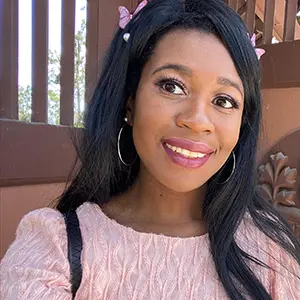
Jasmine Major
Clinical Adolescent Psychology (PhD)
Prairie View A&M University
Fun Facts:
1.I have a rock collection containing rocks from nine countries (Italy, Spain, France, Greece, South Korea, Costa Rica, India, British Virgin Islands).
2.I love point-and-click video games.
3. I casually learn Korean in my free time.
Why did you choose to pursue a career/academic study in behavioral health?
Everyone does not have a sister who encourages them at the age of 16 to consider what they want their future career to be. My sister just happened to be a second-generation social worker and was very pro-behavioral health, so I blossomed into a pro-behavioral health third-generation social worker. At the root of my passion for behavioral health, there has always been a desire to “help people”, which I previously considered synonymous with “fixing their problems”. Yet, I have learned throughout my educational and professional journey that “helping” others often involves reminding them of the strengths that they already possess during times of turmoil. With this knowledge in mind, I continue to engage in the behavioral health field as a mental health professional who supports others in (re)discovering their own internal light.
What are three fun facts about you?
I have a rock collection containing rocks from nine countries (Italy, Spain, France, Greece, South Korea, Costa Rica, India, British Virgin Islands).
Fun Fact 2: I love point-and-click video games.
Fun Fact 3: I casually learn Korean in my free time.

Amber Murphy
Clinical Psychology (PhD)
Jackson State University
Fun Facts:
1: I am a fragrance and coffee lover.
2: I love to travel and collect magnets.
3: I am a 3rd-generation graduate of Southern University and A&M College.
Why did you choose to pursue a career/academic study in behavioral health?
I chose to pursue a career/academic study in behavioral health because I am passionate about promoting healing and advocating for mental health awareness. I have witnessed the complex effects of trauma, substance use, and mental illness, as well as the significant amount of stigma surrounding psychological help-seeking in the Black community. That said, I am gaining the necessary education and skills to make a difference in my community. I aspire to become a changemaker and join the 4% of Black psychologists in the U.S. My goal is to provide safe spaces for underserved populations and assist in the destigmatization of mental health. I aim to champion advocacy, develop community initiatives, and create educational programs to expand access to psychological services.
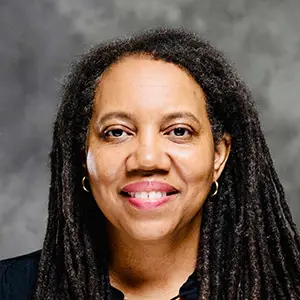
Sondra Sutton-Obas
Clinical Mental Health Counseling (MA)
Alabama State University
Fun Facts:
1. I am an HBCU advocate.
2: I have been in behavioral health for 10 years.
3: I have two beautiful daughters, and I love making memories with them!
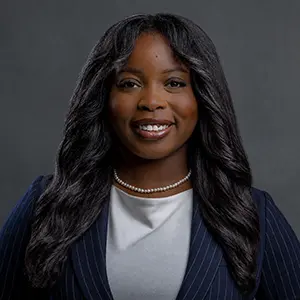
Rachael Oyebade
Medical Program (MD)
Howard University
Fun Facts:
1: I love to travel and my favorite travel location has been Maui.
2.I make recap videos on my old digital camera.
3: I was an elementary school teacher for 2 years.
Why did you choose to pursue a career/academic study in behavioral health?
As an elementary school teacher, I saw firsthand how often students’ behavioral and academic struggles were misread, misdiagnosed, mislabeled, or simply misunderstood, because the adults around them lacked the training to recognize what was actually a mental health need. That experience, combined with watching my own community treat mental health as an afterthought to physical health, is what drew me to psychiatry. I want to become a child and adolescent psychiatrist so I can intervene early, before those misunderstandings shape a child’s entire educational and developmental trajectory. Long-term, I hope to work in school consultation, helping teachers and administrators recognize and respond to mental health needs the way I wish someone had for my own students. I also want to be a community advocate, pushing for mental health care to be treated as inseparable from overall health care, not an afterthought.
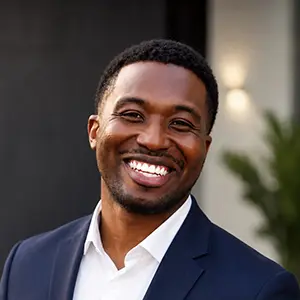
Raymond Popplewell
Counseling Psychology (PhD)
Tennessee State University
Fun Facts:
1. I was born in the U.S. but grew up in Trinidad & Tobago, so “Where are you from?” is rarely a simple question for me.
2. I love movies and TV shows and can get completely invested in a good story, especially when the characters are complicated enough to make me question everything.
3. I love languages. Unfortunately, my brain has yet to cooperate with my ambition to become multilingual.
Why did you choose to pursue a career/academic study in behavioral health?
I chose a career in psychology because I have always been fascinated by the stories people carry—and how those stories shape the way we understand ourselves, our relationships, and the world around us. My experiences navigating different cultures and communities sparked a deeper curiosity about identity, belonging, and the many factors that influence mental health. Over time, that curiosity grew into a commitment to helping people feel seen, understood, and supported, particularly children, adolescents, and families navigating complex challenges. At its heart, psychology gives me the chance to be curious about people, meet them where they are, and walk alongside them as they make sense of their own stories.
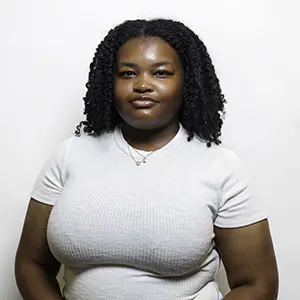
Leilani Riddick
Master of Social Work (MSW)
Master of Social Work (MSW) Virginia State University
Fun Facts:
1. I enjoy reading young adult fiction or urban fiction like The Hate U Give by Angie Thomas.
2: I once wanted to be a Juvenile Justice Attorney.
3: I am on a mission to try cuisines from as many different cultures as possible.
Why did you choose to pursue a career/academic study in behavioral health?
I chose to pursue a career in behavioral health because I am committed to advocating for marginalized youth and supporting Black women, especially with perinatal care. I am passionate about addressing the systemic inequities and stigma that often prevent both populations from receiving the care and support they deserve. By focusing on culturally responsive mental health resources, I want to help Black women feel empowered and validated during a critical time in their lives. Additionally, I want to ensure that marginalized youth have access to spaces where they can be heard and nurtured.
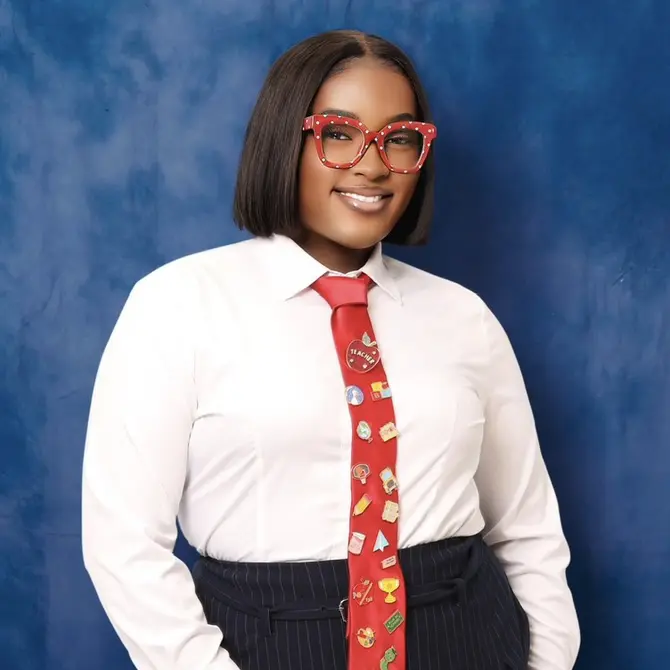
Desia Ryant
Desia Ryant
Counselor Education (MA)
Fun Facts:
1: I love the color orange.
2: I love the beach and extremely long nature walks.
3: I am fluent in all things romantic comedies and personal growth books.
Why did you choose to pursue a career/academic study in behavioral health?
For years, I labeled the days when I felt unlike myself as “just a bad day,” until a moment in my college dorm room made me realize that what I was experiencing was something deeper. In my own time, I began therapy and discovered healthy outlets and coping strategies that helped me better understand my emotions, mental health, and the importance of seeking support. That journey ultimately shaped my decision to pursue Counselor Education because I want others, especially young people, to know they are never alone in what they are experiencing. Growing up in a historically under-resourced community where many students attend Title I schools, I witnessed gaps in mentorship, mental health support, career exposure, and safe environments where young people could navigate life’s challenges without fear of judgment. My work is now rooted in closing the gap between opportunity and readiness with grace, which led me to found A Safe Space Mentorship Project, a nonprofit organization built on the belief that every young person deserves a place where they feel seen, heard, valued, and safe to simply be themselves. I believe everyone has a story worth sharing, and through counseling, mentorship, and advocacy, I hope to use mine to remind others that their stories and voices have the power to impact someone else’s life.
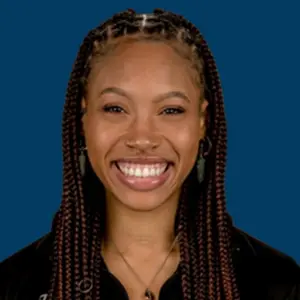
Jada Smith
Counseling Psychology (PhD)
Howard University
Fun Facts:
-
I am a former Division I pole vaulter and still hold a Collegiate Indoor school record with a height of 13 feet.
-
I am really crafty and creative. I have painted, sculpted, and designed all of the decorations in my home myself.
-
I used to hate running in high school, but now I participate in middle-distance races, including 5Ks and 10-mile races. This September, I am taking on a new challenge by competing in my first HYROX race!
Why did you choose to pursue a career/academic study in behavioral health?
I chose to pursue a career in behavioral health because of my firsthand experiences as a student-athlete and my recognition of the gaps in psychological support available to athletes. After transitioning away from collegiate athletics, I realized how difficult it can be to lose the structure, identity, and sense of purpose that sport provides, particularly when there is little guidance for navigating that transition. My experiences also showed me the importance of having behavioral health professionals who understand how an athlete’s cultural identity, and environment can influence psychological well-being and performance. With my academic backgrounds in psychology and exercise physiology, I became interested in bridging the gap between physical performance and psychological health rather than treating them as separate areas. Ultimately, I chose behavioral health because I want to provide culturally responsive support that helps athletes and other underserved populations feel understood, and achieve well-being beyond performance.
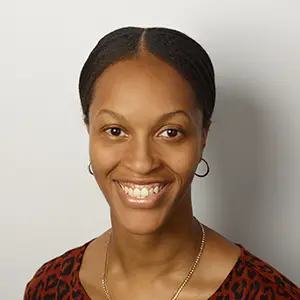
Nysha Wallace
Master of Social Work (MSW)
Howard University
Fun Facts:
1. I have a wonderful husband and two daughters, ages 3 and 5.
2. love cappacionos.
3. My ideal way to relax is to take a yoga class and get in a steam room afterwards.
Why did you choose to pursue a career/academic study in behavioral health?
I chose the behavioral health field to directly address mental health disparities and remove systemic barriers for marginalized communities. My Master of Social Work studies at Howard University center on advancing the Black perspective within clinical practice, shifting care models away from deficit-based frameworks, and validating students’ lived experiences. I am passionate about providing culturally responsive behavioral healthcare that fosters psychological safety, strengthens social capital, and expands access to vital resources in higher education settings. Ultimately, my goal as a behavioral health professional is to drive institutional change and elevate clinical outcomes so every individual impacted by mental health challenges can receive quality care, achieve well-being, and thrive.
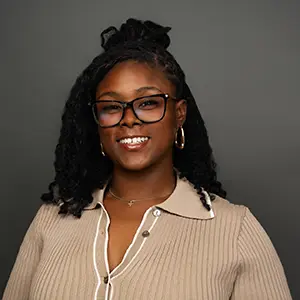
Alaina Warrior
Clinical Adolescent Psychology (PhD)
Prairie View A&M University
Fun Facts:
-
I was a trail ride/rodeo kid. My childhood was filled with summers of horsemanship, folktales, and agriculture.
-
I enjoy hosting gatherings for family and friends.
-
I love to travel!
Why did you choose to pursue a career/academic study in behavioral health?
I chose to pursue a career in behavioral health because I have always been interested in understanding how the brain, behavior, and life experiences interact to shape the way people think, feel, and function. Through my academic and clinical experiences, I have seen how access to mental health support can change the trajectory of an individual’s life, particularly for communities that have historically been underserved. I want to contribute to behavioral health through clinical practice, research in psychology and cognitive science, and public policy that help us better understand and address mental health disparities. My goal is to bridge neuroscience, research, clinical practice, and policy to make psychological services more accessible, culturally responsive, and meaningful to the communities I serve. Ultimately, I chose to serve in this field because I want to better understand the complexities of the mind while contributing to meaningful change at both the individual and systems levels.
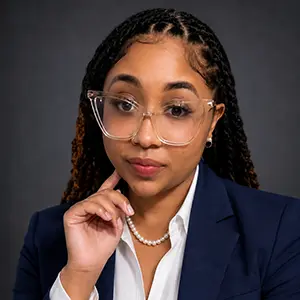
Brooke Williams
School Counseling (MA)
Clark Atlanta University
Fun Facts:
-
am an HBCU advocate.
-
I have been in behavioral health for 10 years.
-
I have two beautiful daughters, and I love making memories with them!
Why did you choose to pursue a career/academic study in behavioral health?
I chose to pursue a career in school counseling because I believe every student deserves to feel supported, understood, and empowered to reach their full potential. My background in education, including my experience as a 1st grade teacher and Dean of Culture and Climate, showed me how deeply students’ emotional and mental well-being can impact their academic success and overall development. My experiences in education inspired me to pursue a degree in school counseling at Clark Atlanta University, where I am developing the knowledge and skills needed to support students social, emotional and academic needs. I am passionate about creating a safe and inclusive space where children feel heard and have access to the resources they need to thrive. Throughout my work as a school counseling, I plan to advocate for students and help eliminate the barriers that can affect their well-being and success.